
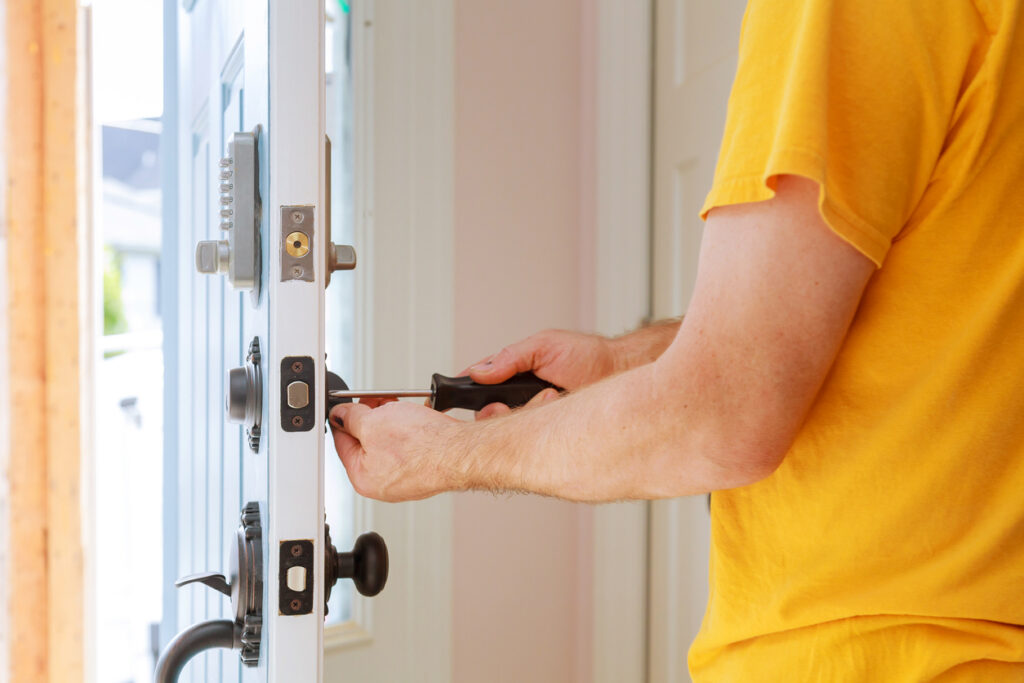
Lock replacements or rekeying are great ways to ensure your property is secure. Whether you’ve recently moved, lost a key, experienced a break-in attempt, or have a faulty lock, lock changes and rekeying are the best ways to ensure you know who has access to your property.
We understand that knowing what to do when your security is potentially compromised can be stressful. To remove some of this stress from an already stressful situation, this article will explore the difference between lock replacements and rekeying, what the processes look like, what to do after the job is done, and how Amalgamated Locksmiths can help.
Rekeying vs. Replacing: Choosing the Right Security Solution
Rekeying and lock replacements are both effective ways to secure your property. Both options render old keys useless, ensuring only authorised persons have access.
Rekeying is the process of changing the internal pin configuration in existing locks. This is generally done when keys are lost, when moving into a new property, end of tenancies, or when you are unsure who has keys.
Lock replacement involves removing the existing lock hardware completely and fitting a new hardware. Locksmiths recommend to replace locks when the lock is damaged, worn or malfunctioning, after break-ins or attempts, or when upgrading to a higher security level.
If you’re unsure whether you need rekeying or lock changes, expert locksmiths can provide tailored recommendations on arrival.
What Happens During a Rekeying Service
Rekeying is typically a fast process, taking approximately 15 to 30 minutes per lock. This process involves reconfiguring existing locks to new keys, rendering old keys useless. During this process, property owners have the choice to have multiple locks rekeyed to the same new key, or have the locks all rekeyed to different keys.
When a locksmith arrives to rekey locks they will:
- Assess the existing lock to confirm it’s in good working order and suitable for rekeying
- Remove the lock cylinder from the door
- Disassemble the cylinder and replace the internal pins to match a new key combination
- Reassemble and reinstall the cylinder
- Test the new keys in the lock to confirm smooth operation
Upon completion, the locksmith will provide you with new keys for the new configuration.
What Happens During a Lock Replacement Service
Lock replacement offers security and peace of mind when locks are damaged. This involves replacing the entire locking mechanism and replacing it with new hardware. Lock change services can vary in duration depending on the complexity of the installation, however, most professional locksmiths carry a range of quality hardware in their service vehicle so they can address issues in a single visit.
When a locksmith replaces locks they will:
- Assess the door and existing locking hardware
- Recommend appropriate replacement hardware based on security requirements, door type, and budget
- Remove the existing lock mechanism and any associated hardware
- Prepare the door if needed (e.g. adjusting or enlarging the recess for new hardware)
- Install the new lock and hardware
- Test operation, including locking, unlocking, and checking alignment with the door frame and strike plate
Upon completion, the locksmith will provide you with new keys for the new locking hardware.
What to Do After Your Locks Are Changed or Rekeyed
After professional locksmiths finish rekeying or changing locks there are a number of things property owners should do to ensure full security and access for authorised persons.
Update Your Keys Immediately
The first thing you should do after any lock change or rekeying service is to update your keys. Remove any old keys from keyrings and dispose of them properly to remove confusion. Metal keys should not be placed in household general waste or recycling bins, instead they should be taken to a local scrap metal recycler, transfer station, or a council resource recovery centre for responsible recycling. Some locksmiths will also be able to take your old keys to dispose of them responsibly.
Immediately replace all old keys with new ones to ensure you (and any other authorised persons) have access when you need it.
Account for All Authorised Keyholders
Make a list of how many key copies you need, ensuring everyone who needs access has a working key. Consider who needs access, such as household members, family, and whether you need spares for key safes or to provide temporary access for house sitters, pet sitters, cleaners, or other tradespeople.
If possible request the right number of keys upon rekeying or lock change to minimise access disruptions. Many locksmiths will be able to duplicate keys with specialised equipment on-site or arrange for duplicates to be created promptly for pick up.
Test Your Keys
Test all keys and copies as soon as possible either while the locksmith is on-site or promptly after collecting duplicates to confirm they all work correctly. If any keys do not work as intended contact the locksmith as soon as possible for re-cutting or lock adjustments.
Never attempt to force a stiff or misaligned lock, this can damage the lock or risk the key breaking inside the lock.
Update Lock Boxes or Key Safes
If you use a lock box or key safe to store a spare key, make sure to update it as soon as possible. Whether you run an Airbnb or have a key safe for emergencies, it’s important to ensure the key inside is up-to-date to prevent future access confusion or issues.
How Amalgamated Locksmiths Handles Lock Changes and Rekeying
At Amalgamated Locksmiths, our experienced team is always ready to help enhance your security. Whether you’ve lost your keys, recently moved house, or have a malfunctioning lock, our locksmiths can help rekey or change your locks to ensure smooth access, reliable security, and lasting peace of mind.
Our technicians always arrive with everything they need to address issues on the spot, whether it’s rekeying a single lock or replacing several damaged locks, so you never have to wait for parts. We also offer around the clock support and swift, 1-hour response times for emergencies, such as lockouts or break-ins.
Secure Your Property with Expert Rekeying and Lock Changes
Don’t take any chances with your security. Whether you’ve lost a key, moved, or have a broken lock, it’s important to contact a professional locksmith immediately for rekeying or lock replacement.
Amalgamated Locksmiths are always on call and ready to respond to ensure lasting security and peace of mind.